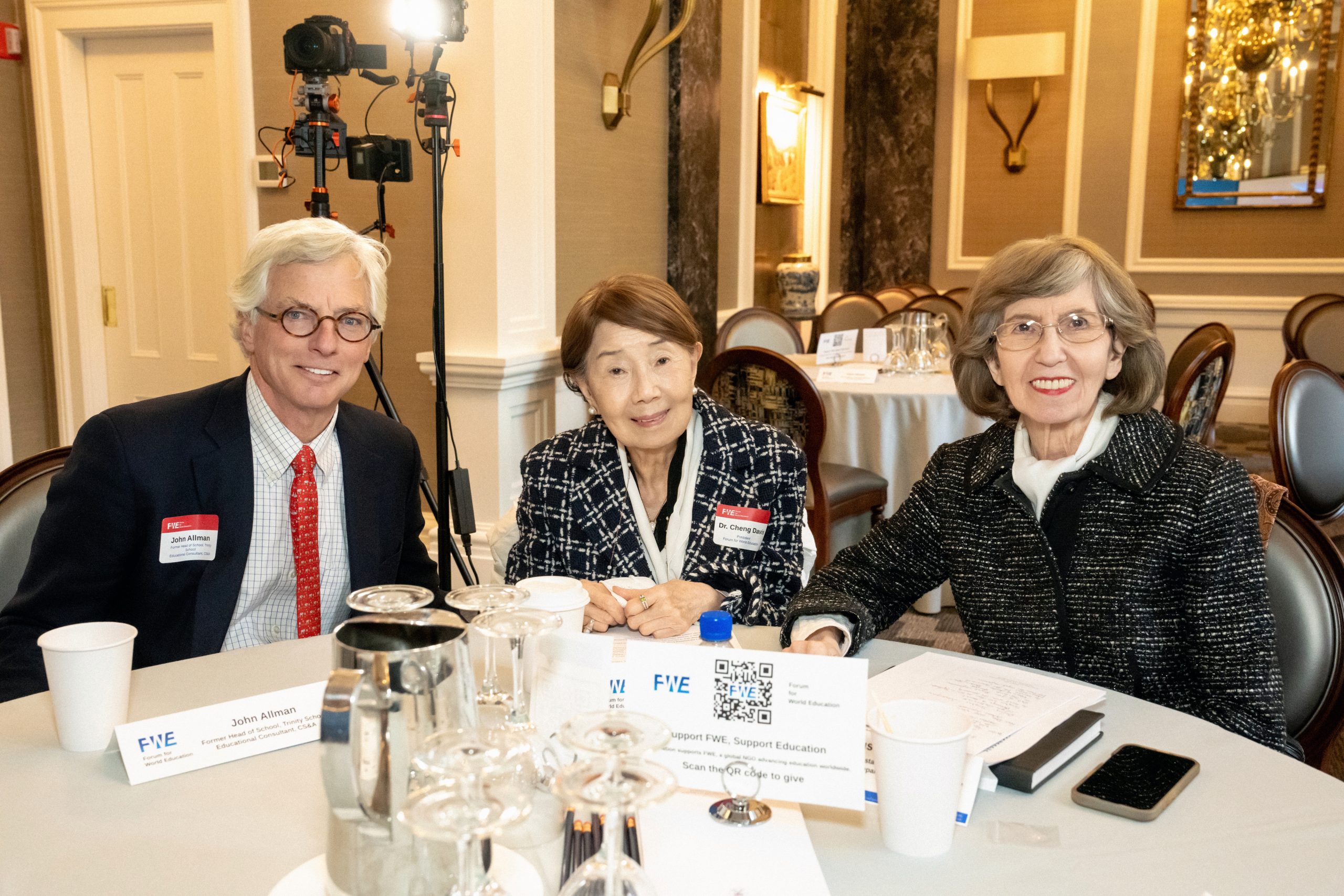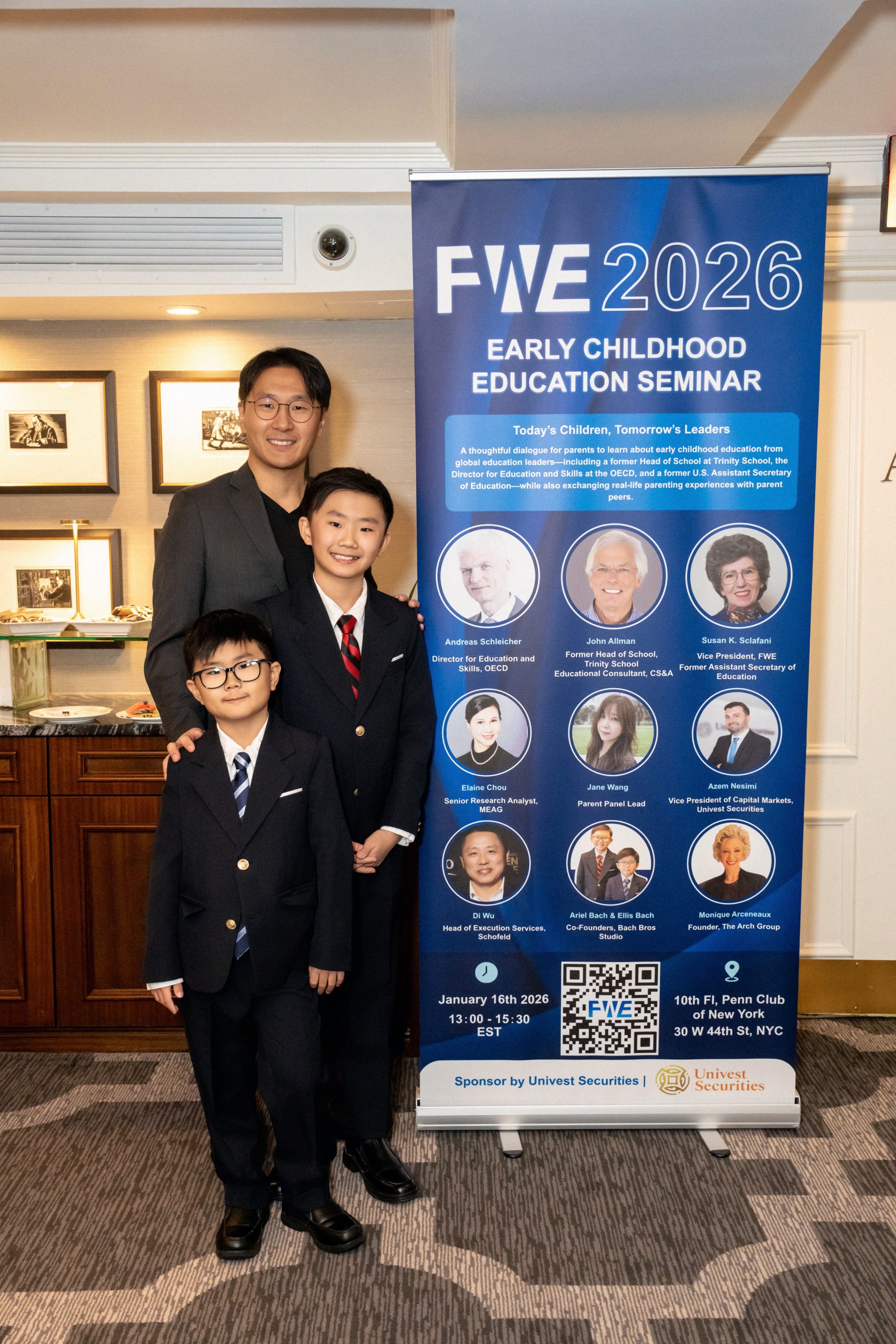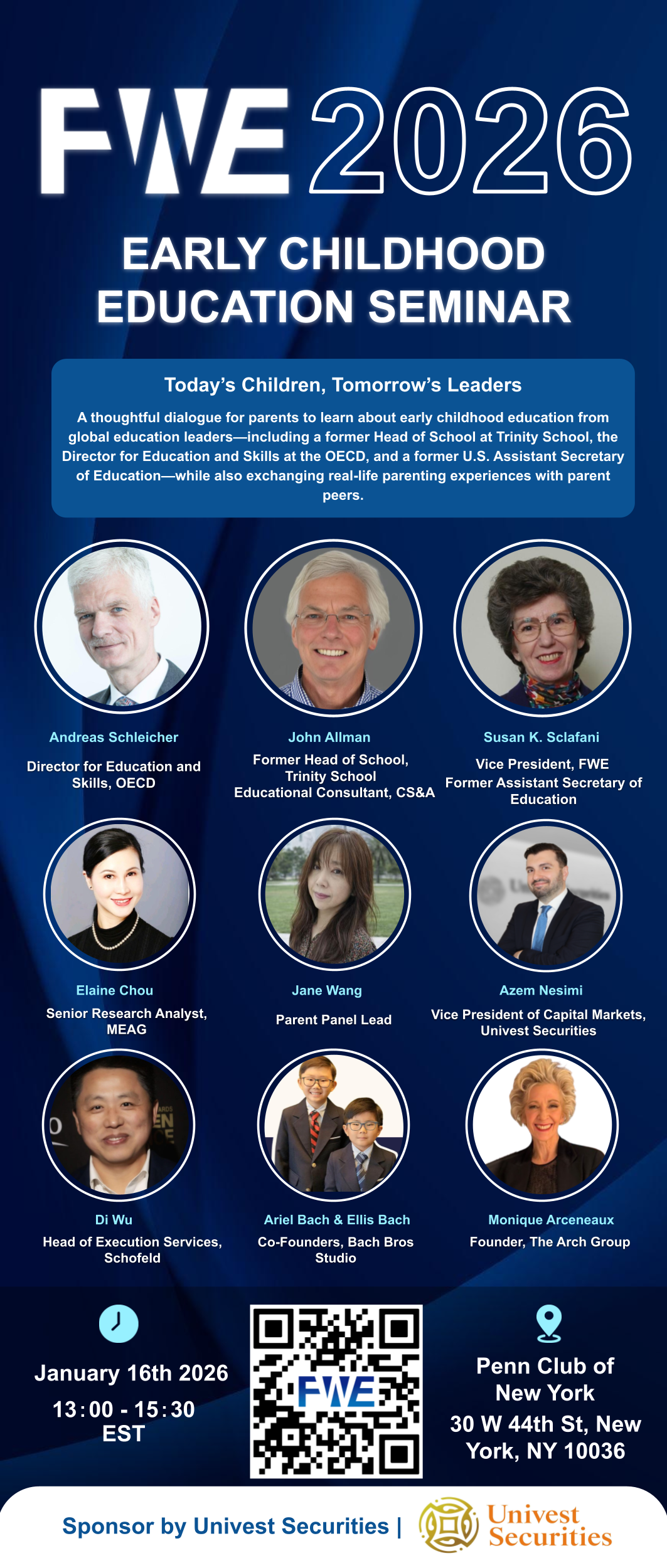

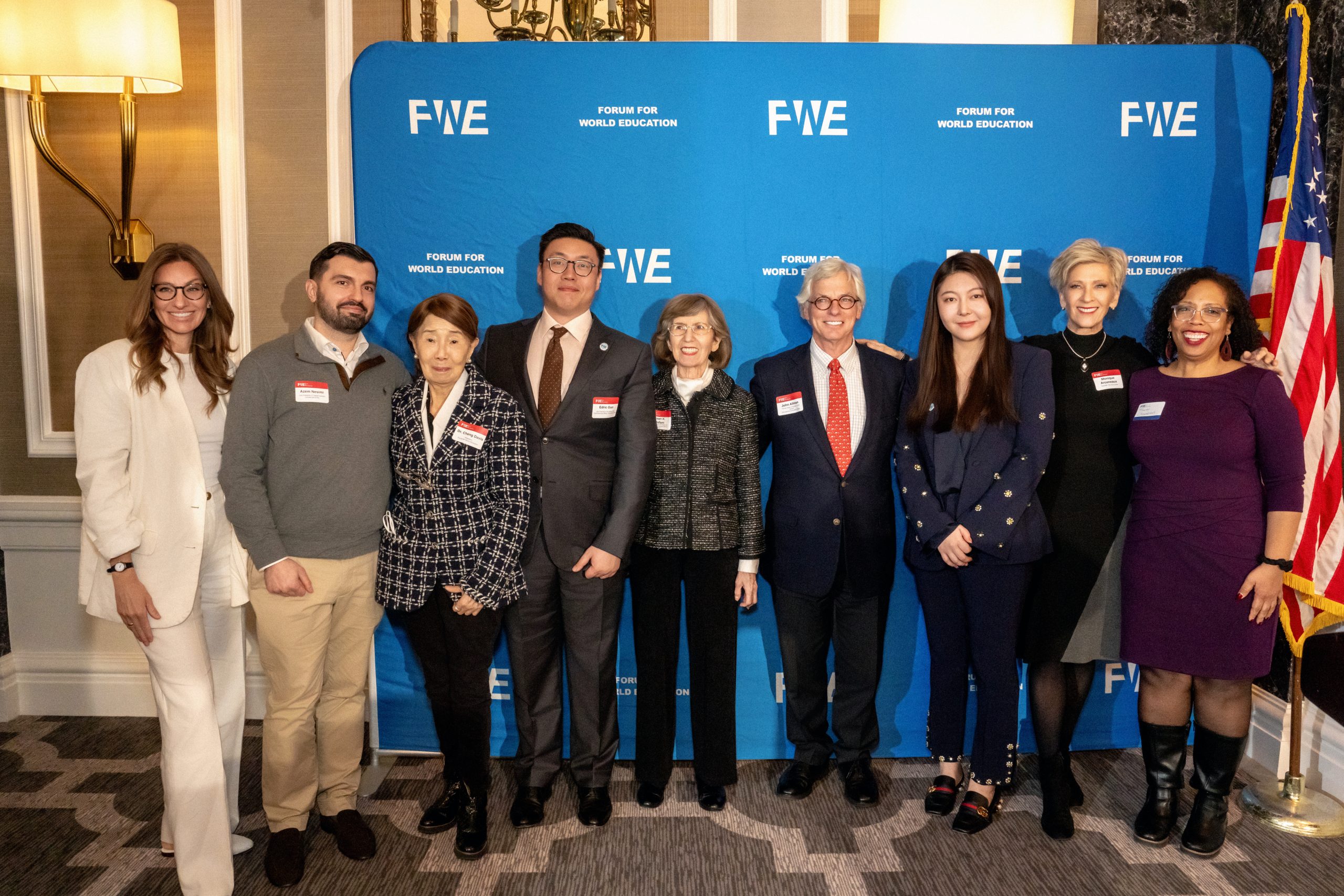
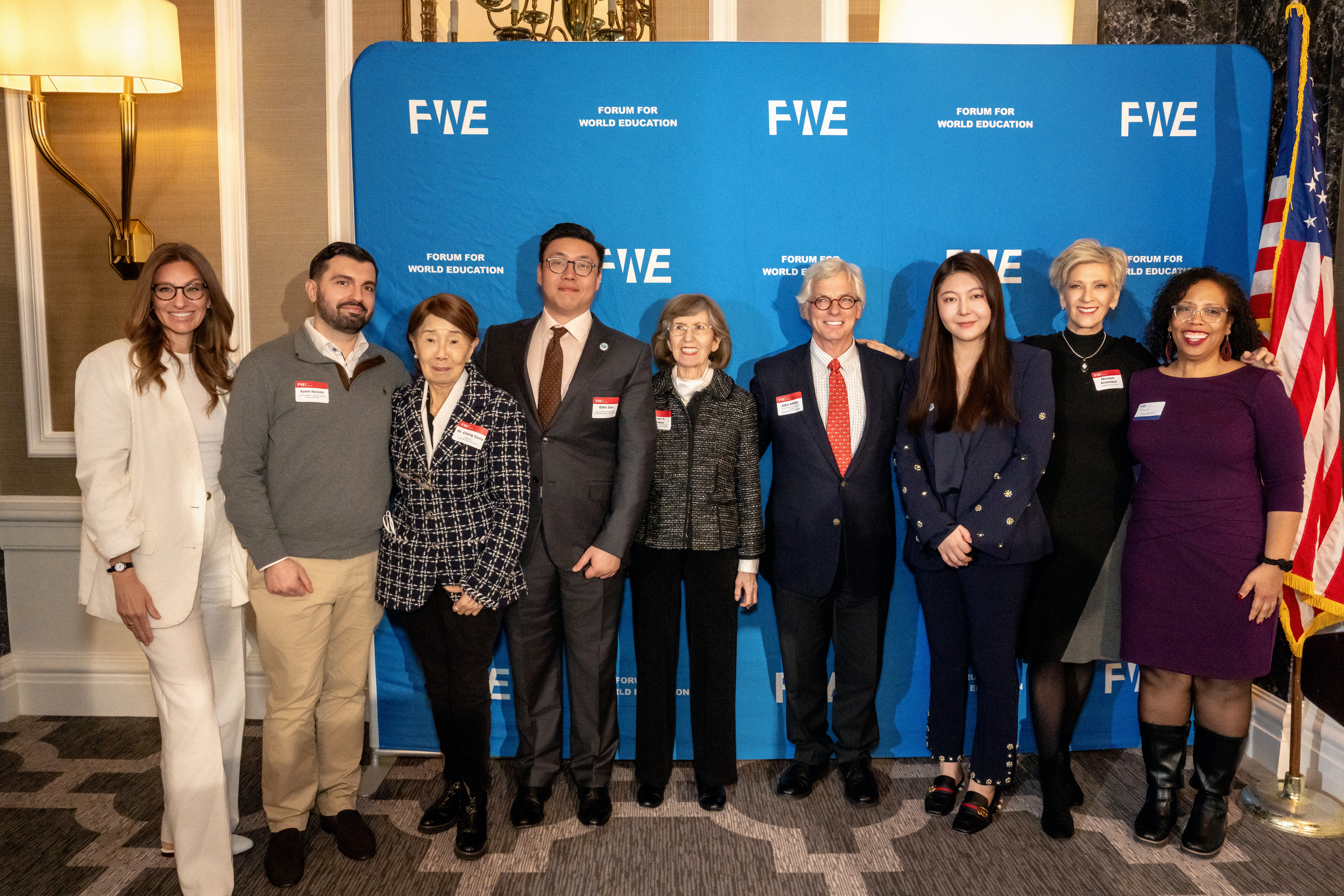
On January 16, 2026, the Forum for World Education (FWE) convened educators, global policy leaders, and parents at the Penn Club of New York for its Early Childhood Education Seminar, held under the guiding theme “Today’s Children, Tomorrow’s Leaders.”
Designed as a reflective forum, the seminar explored how early learning begins not with formal academics but with connection, curiosity, and care, and how the choices made by families, schools, and societies in the earliest years shape lifelong learning, well-being, and social responsibility.
Opening Remarks
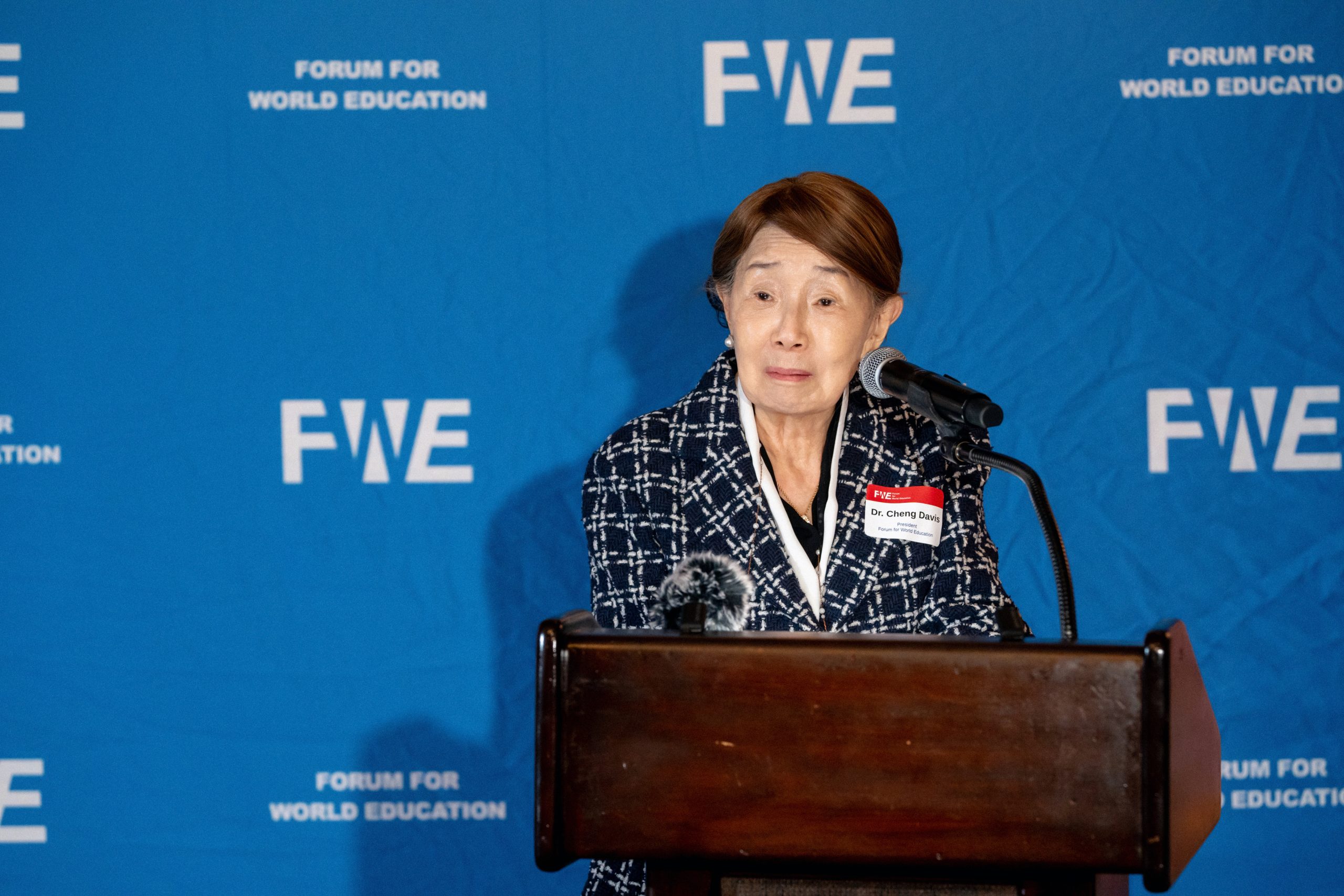
Opening the seminar, Cheng Yan Davis, President and Co-Founder of FWE, emphasized that early childhood education must extend beyond children to include parent education. She noted that children’s development is deeply influenced by the adults and environments around them, and that meaningful early learning requires families, educators, and communities to work together.
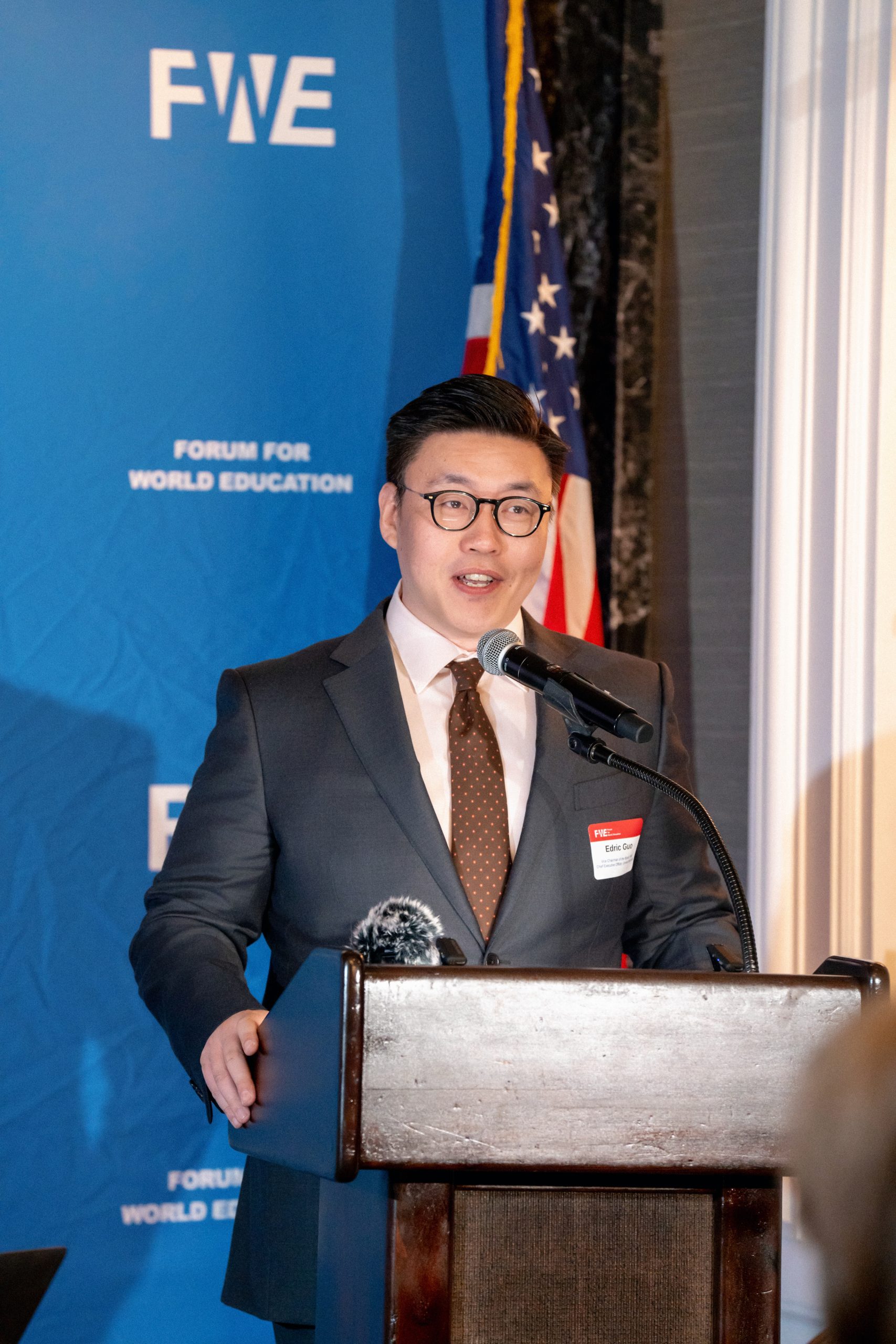
FWE Vice Chairman Edric Guo echoed this perspective from his experience as a parent, highlighting how everyday parenting choices—often made quietly at home—have profound and lasting effects on children’s emotional development, character, and sense of belonging.
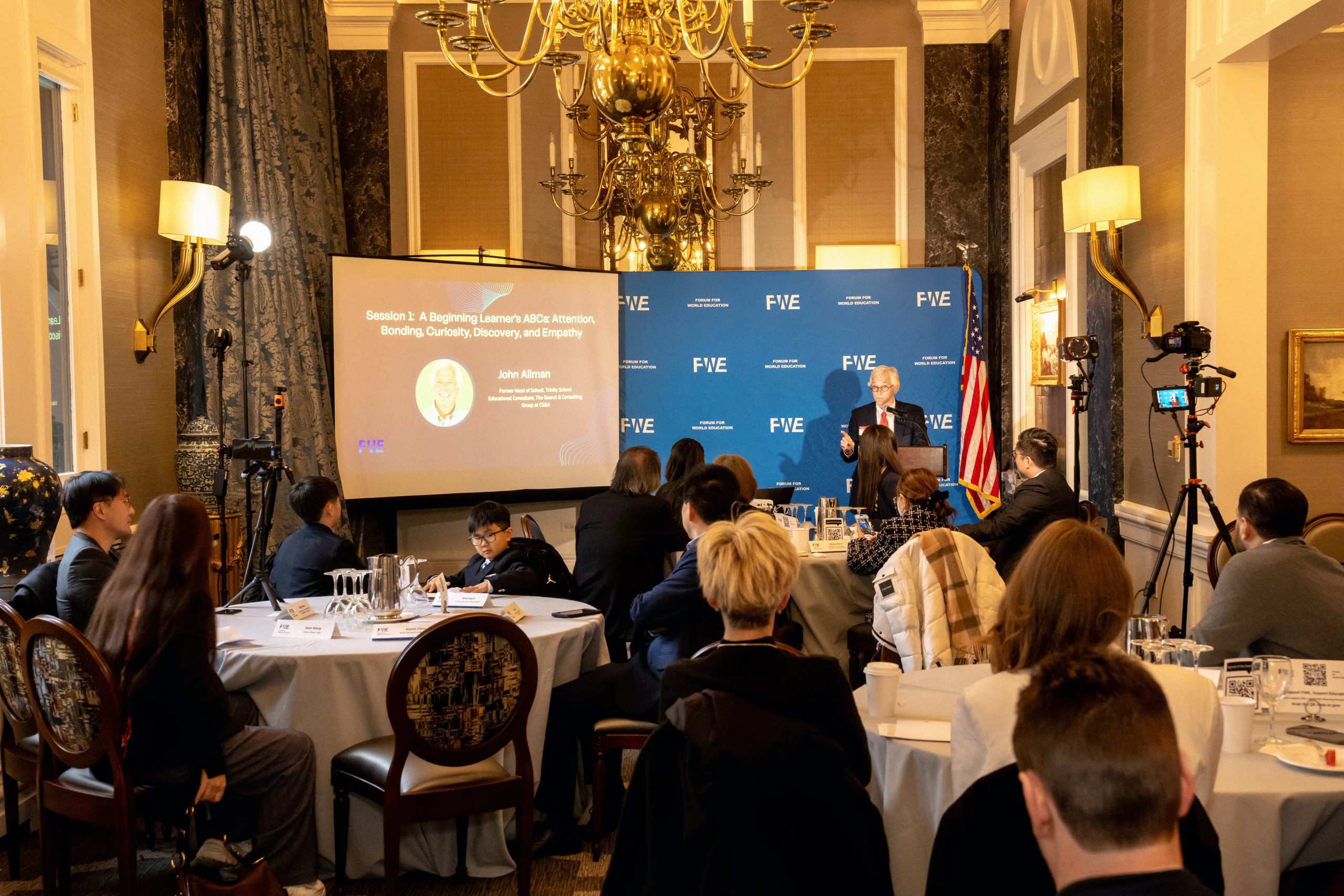
Session 1: A Beginning Learner’s ABCs — Attention, Bonding, Curiosity, Discovery, and Empathy
In this session, John Allman, former Head of School at Trinity School, introduced what he called the Learner’s ABCs: Attention, Bonding, Curiosity, Discovery, and Empathy.
Drawing on decades of experience as an educator and parent, Mr. Allman emphasized that secure, loving attachment between caregivers and children is the most critical foundation for lifelong learning and well-being. Research, he noted, consistently links early attachment to stronger emotional regulation, executive function, resilience, and social competence.
“When children feel safe and connected,” he explained, “their brains are free to explore.” Learning, in this sense, begins not with instruction, but with being seen, heard, and responded to.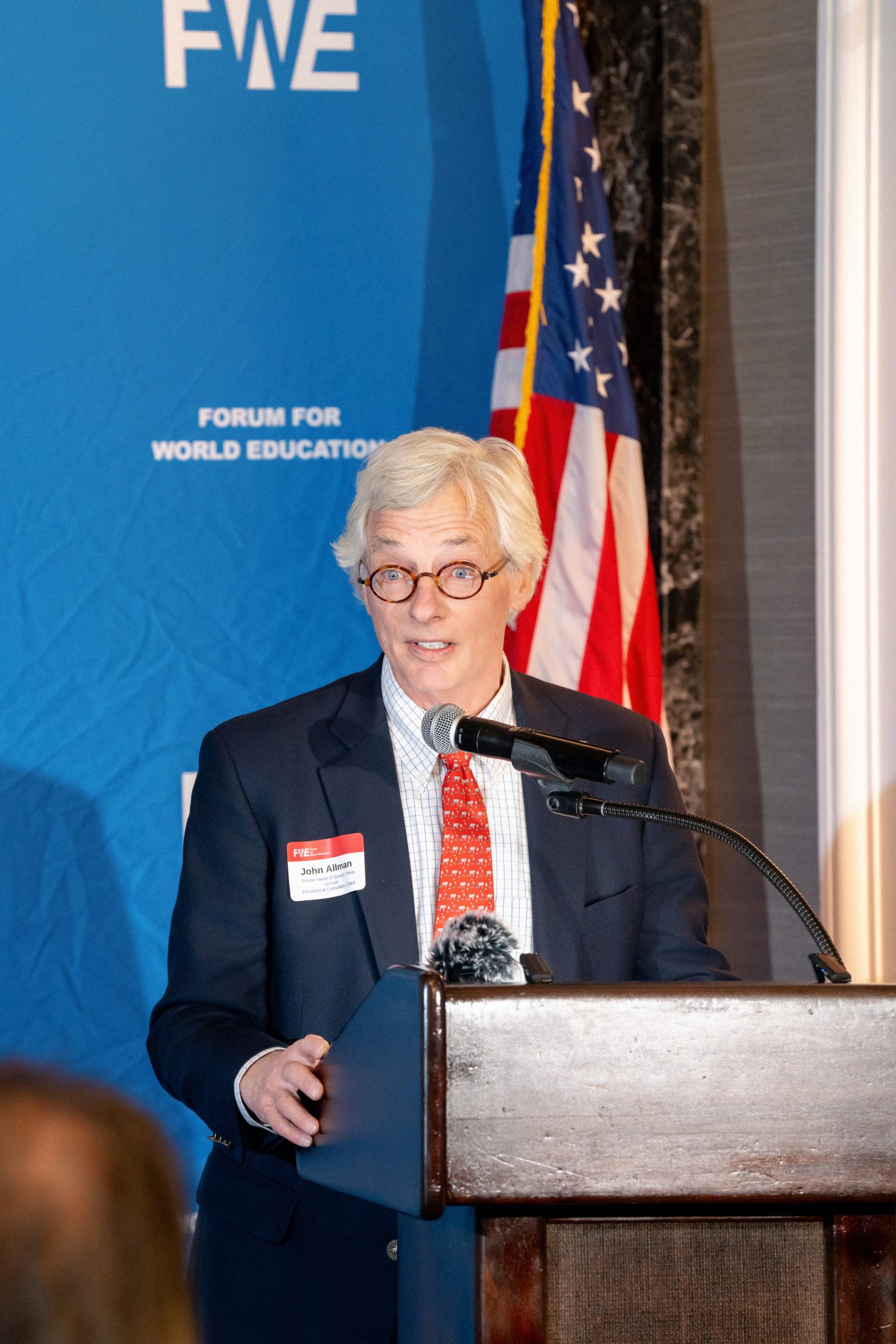
Session 2: Global Perspectives on Early Childhood Education and Skills Development — Starting Strong or Risk Falling Behind
Joining virtually, Andreas Schleicher, Director for Education and Skills at the OECD, presented global data underscoring the long-term impact of early childhood education.
He highlighted that high-quality early learning—particularly when it integrates social-emotional development with cognitive growth—leads to better outcomes in education, health, employment, and civic participation. However, he also cautioned that access and quality remain deeply unequal, especially for disadvantaged children.
Mr. Schleicher stressed that family engagement, strong home learning environments, and collaboration between early childhood institutions and parents are essential to closing these gaps and creating truly equitable systems.
Session 3: Learning Through Children’s Eyes — Early Childhood Education and Its Impact on Children
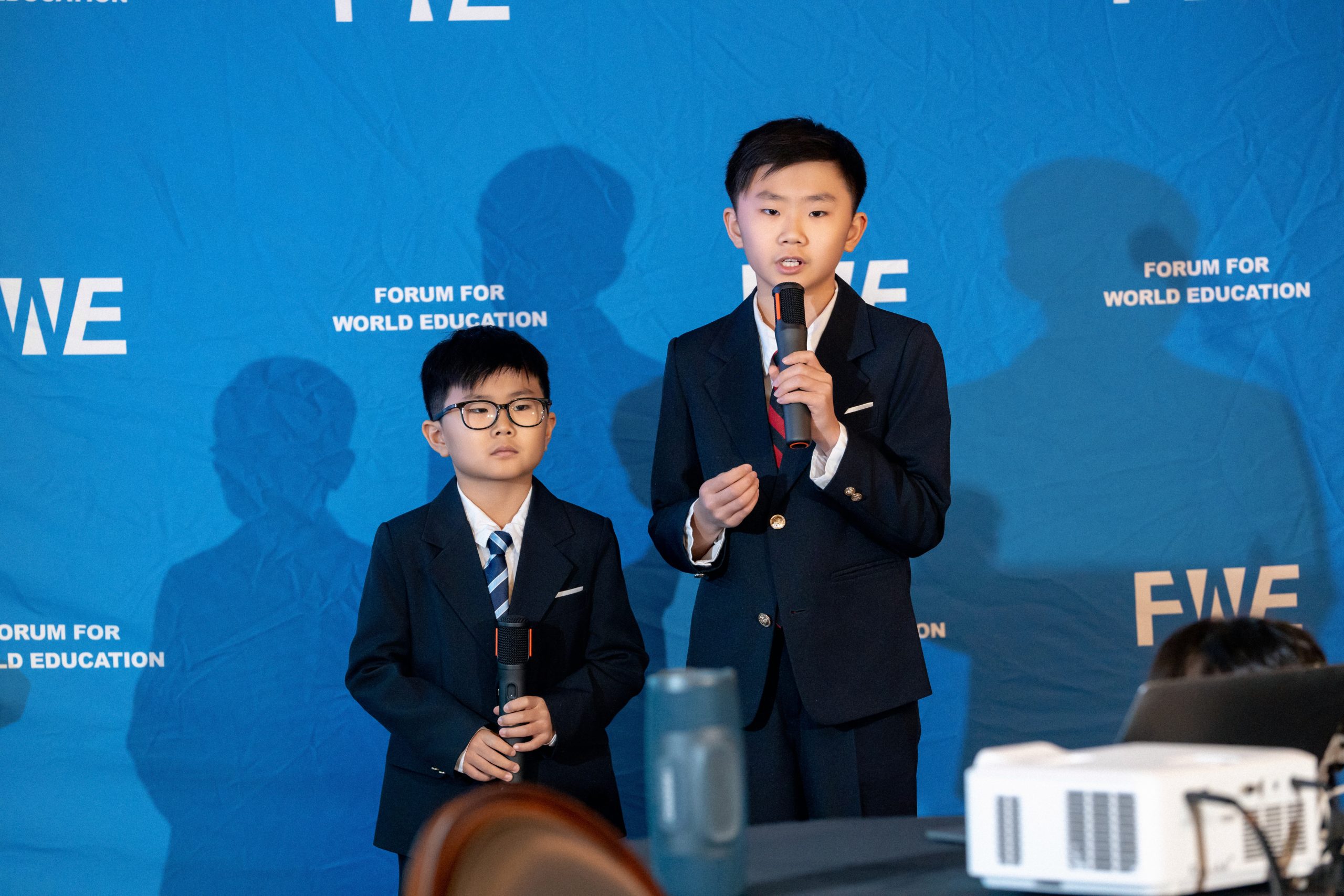
Ariel Bach and Ellis Bach, Co-Founders of Bach Bros Studio, shared children’s perspectives on early childhood education through their own formative experiences. They highlighted how growing up in an environment that encouraged curiosity, open discussion, and exploration shaped their critical thinking, confidence, and lifelong love of learning. Drawing on research and personal experience, the speakers emphasized that early childhood education is not limited to academic preparation, but plays a central role in developing creativity, resilience, and the capacity to engage thoughtfully with the world.
Session 4: Parent Panel — Family Perspectives on Early Childhood Education
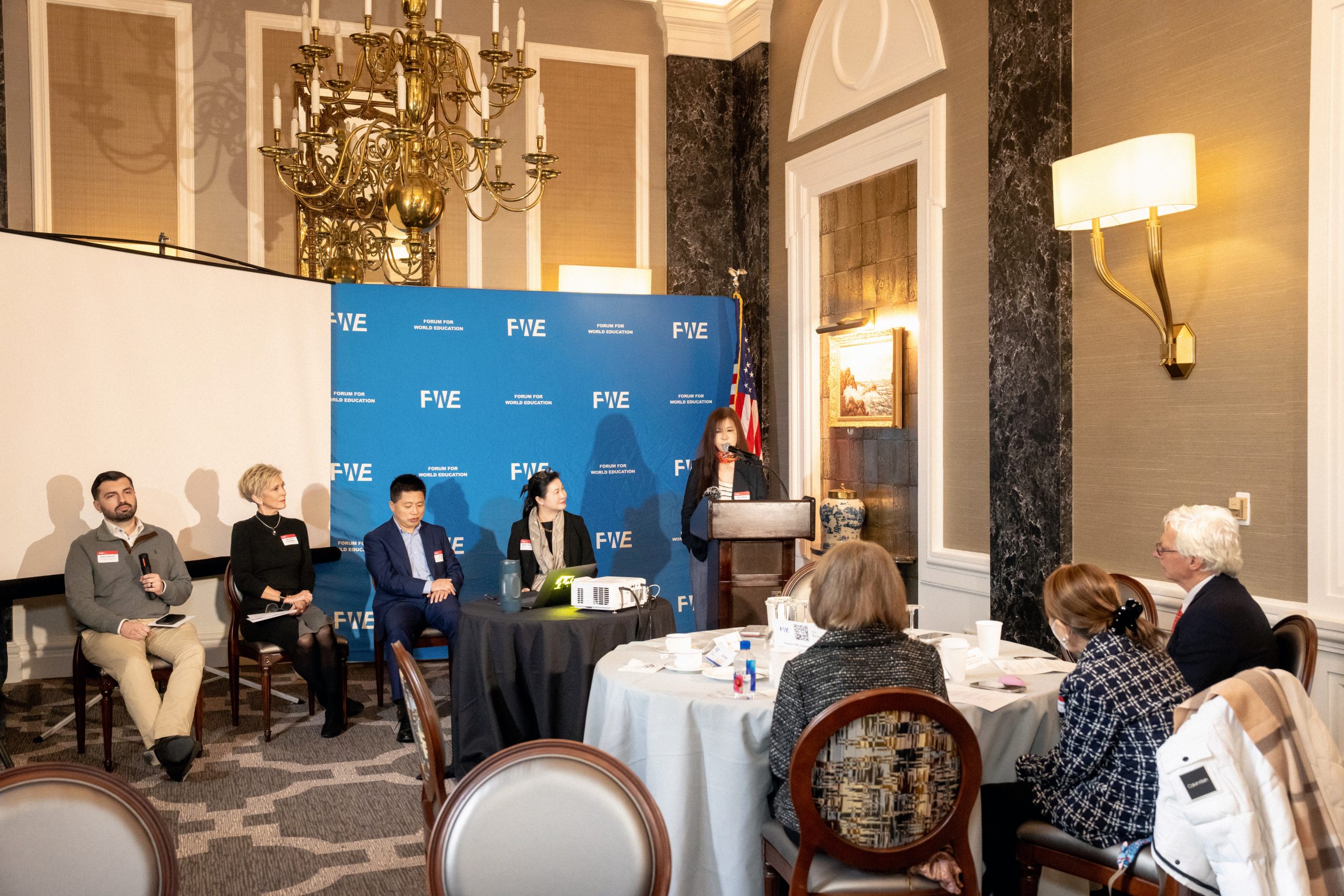
Session 4 featured a parent panel moderated by Jane Wang, with panelists Elaine Chou, Monique Arceneaux, Di Wu, and Azem Nesimi. Drawing on their lived experiences as parents, the panelists discussed the values guiding their early education decisions, the trade-offs they have navigated, and the importance of connection, resilience, and confidence in children’s development. The conversation offered practical insights into how families support curiosity, well-being, and long-term growth across different cultural and educational contexts.
Session 5: Early Childhood Education from Research to Practice & Closing Remarks
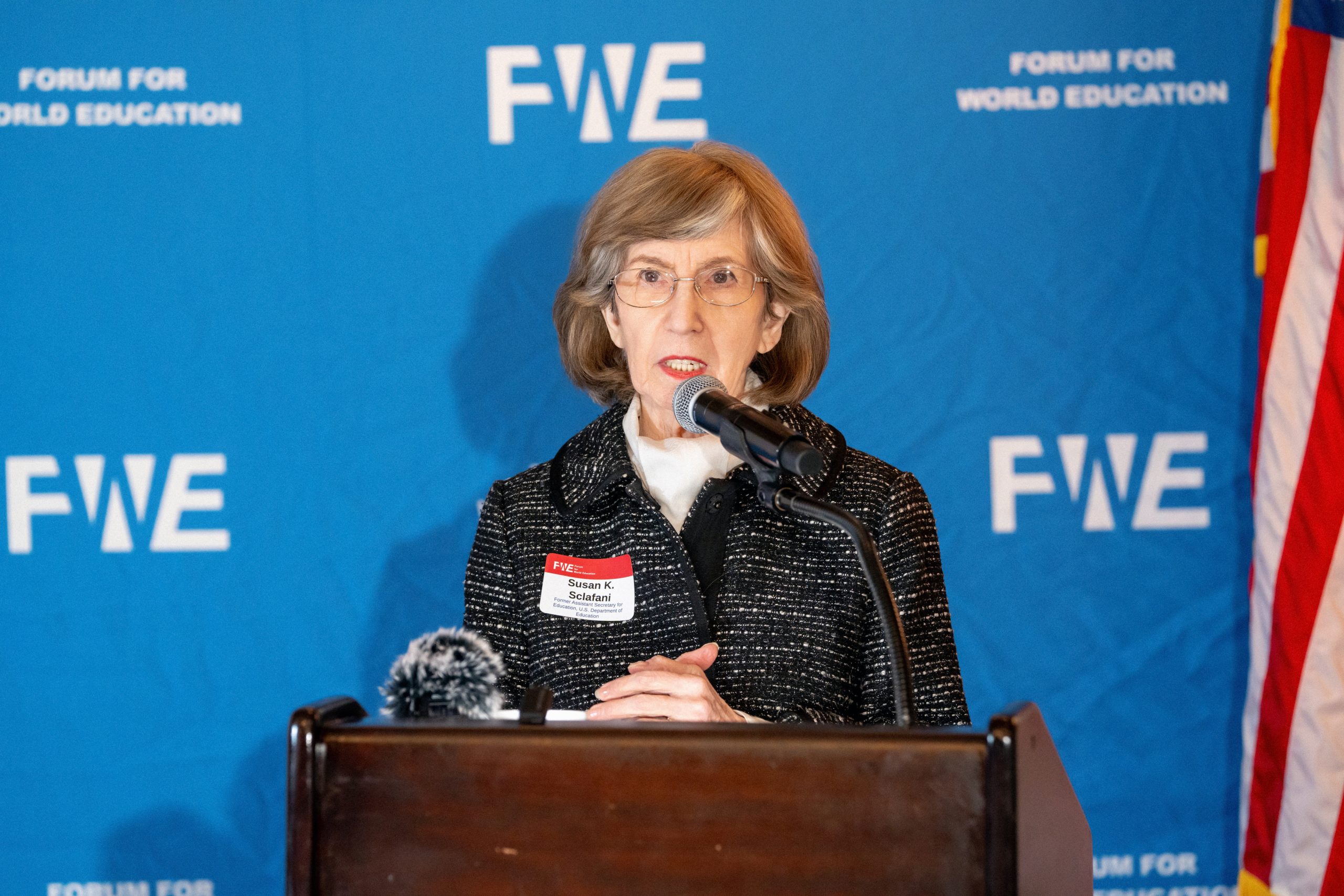
In the closing session, Susan K. Sclafani, former U.S. Assistant Secretary for Education and Vice President of FWE, grounded the discussion in the realities facing many children today—particularly those from disadvantaged communities.
She underscored the importance of developmentally appropriate, child-centered early learning environments rooted in play, exploration, and social interaction. She also issued a caution regarding the overuse of technology in early childhood, warning that excessive exposure—especially at very young ages—can interfere with cognitive and emotional development if it replaces human interaction.
Dr. Sclafani concluded with a call to action: societies must ensure that every child, not only the most advantaged, has access to the kind of early learning experiences that foster curiosity, self-regulation, and human connection.
A Shared Commitment to the Earliest Years
Through intimate dialogue and evidence-based insights, the seminar reaffirmed FWE’s belief that education is a form of diplomacy—a means of building trust, empathy, and shared progress from the earliest stages of life.
The discussion made clear that early childhood education is not a short-term intervention, but a long-term societal commitment—one that begins with relationships and endures across a lifetime.
🎥 Full seminar recording: